
5 common mistakes when sending money from Germany to Türkiye (and how to avoid them)
You work hard for your money in Germany. When you send part of it home to your parents in Kayseri, to cover a family wedding in Izmir, or toward an apartment in Antalya, every euro should arrive.
In practice, many people lose a noticeable share of their transfer without realizing it. They didn’t make a big error. They followed habits that cost money: “I’ve always used my bank,” “the transfer was free,” “I typed the IBAN quickly.”
This guide covers the five most common mistakes when sending money from Germany to Türkiye, with simple ways to avoid each one. You don’t need any financial knowledge, only a few minutes before your next transfer.
Mistake 1: Comparing only the fee and ignoring the exchange rate
This is the most common mistake and usually the most expensive. Many people compare only the transfer fee shown next to the amount. That number rarely tells you the full cost.
What is the mid-market rate?
The mid-market rate is the “real” exchange rate between the euro and the Turkish lira. It sits midway between the buy and sell prices on the currency markets, and it’s what you see on Google or Reuters.
Most banks and many providers don’t give you this rate. They convert at a rate with a markup. In our sample data, that markup ranges from 0% to 1.1% for the transfer services we compare and is 3.5% for a typical bank profile. These are modelled assumptions, not verified provider prices: the actual markup depends on the provider, the bank and the timing. That markup is a fee too. It just doesn’t appear as a line item.
How a “free” transfer can cost more
Here’s a simple example, with an assumed mid-market rate of 1 EUR = 52.00 TRY:
| Option A: “Free transfer” | Option B: €5 fee | |
|---|---|---|
| Amount sent | €1,000 | €1,000 |
| Fee | €0 | €5 |
| Exchange-rate markup | 2.5% → rate 50.70 | 0.5% → rate 51.74 |
| Arrives in Türkiye | 50,700 TRY | 51,481 TRY |
The “free” option delivers about 780 TRY less, roughly €15. On a monthly transfer, that’s close to €180 a year.
How to avoid it:
- Always compare the amount that arrives in Türkiye, not the fee.
- Check the offered rate against the mid-market rate.
- Treat “0 fees” or “fee-free” advertising with healthy skepticism.
Want to see how we calculate costs? Our methodology explains fees, rate markups and assumptions in plain language.
Mistake 2: Using your Hausbank’s SWIFT transfer out of habit
Going to your Sparkasse, Volksbank or another familiar bank feels safe. For transfers to Türkiye, though, a classic SWIFT transfer is often one of the most expensive options.
Where SWIFT fees come from
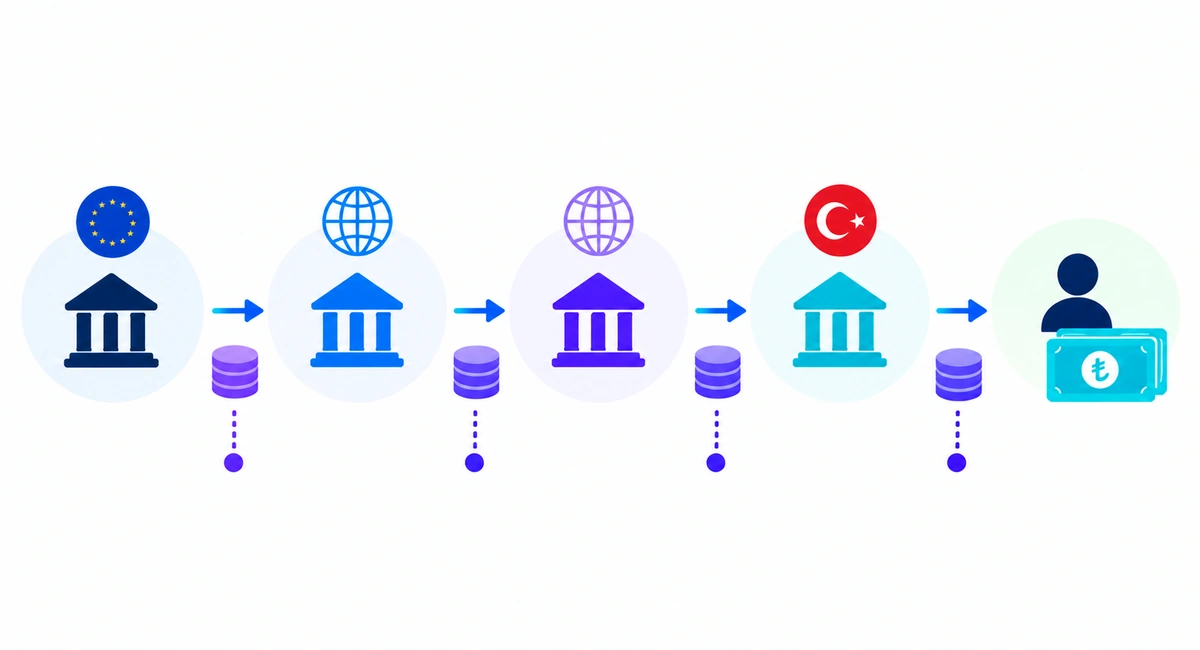
Türkiye isn’t part of the SEPA area. So a transfer to Türkiye isn’t a cheap SEPA transfer. It’s an international SWIFT payment, and up to four cost layers can pile up:
- Sending-bank fee: your German bank charges for the international transfer.
- Correspondent bank fees: banks along the route can take their own cut.
- Receiving-bank fee: some Turkish banks charge for incoming foreign payments.
- Exchange-rate spread: if a bank converts the money, it uses its own rate.
The tricky part is that you often don’t see some of these fees when you send. Your recipient finds out later that less arrived than expected.
SHA, OUR and BEN in one sentence each
- SHA: you pay your bank’s fees, and your recipient pays the rest. This is the standard option.
- OUR: you pay all fees. That’s more expensive, and it still doesn’t always guarantee the full amount arrives.
- BEN: your recipient pays all fees.
How to avoid it:
- Ask your bank for the full cost of a transfer to Türkiye, or check its price list (Preis- und Leistungsverzeichnis).
- Compare your bank with specialized money-transfer services before every larger transfer.
- If you have to use SWIFT, ask your recipient’s bank about incoming fees. Turkish banks such as Ziraat Bankası, Garanti BBVA or İş Bankası publish their own price lists.
Mistake 3: Choosing the wrong currency or account type
This mistake is less obvious but common: who converts the money, and at what rate?
Euros to a lira account
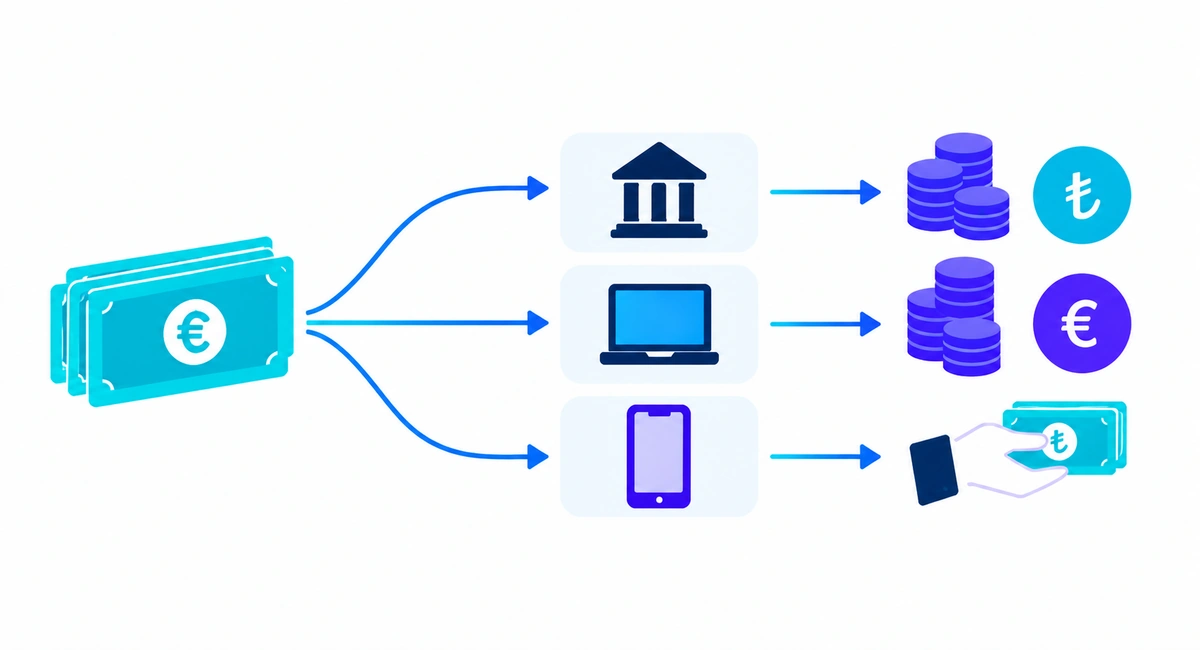
If you send euros and the recipient’s account is in Turkish lira, someone has to convert the money. If your provider doesn’t do it, the recipient’s bank usually will, at its own rate. You have no influence over that rate, and you often don’t see it in advance.
When a foreign-currency account (döviz hesabı) makes sense
Many people in Türkiye keep a euro account (döviz hesabı) next to their lira account. Sending euros there can make sense if:
- the money should stay in euros (savings, larger purchases later),
- your recipient wants to convert at a time of their choosing.
If the money is for living costs and will be spent in lira, it’s usually better to pick an option that converts transparently and delivers lira.
How to avoid it:
- Before sending, ask: “What currency is the account in: TL or EUR?”
- Decide on purpose: lira for everyday costs, euros for savings.
- Make sure you can see the final amount in the target currency before you confirm.
Mistake 4: Small errors in the recipient’s details
One wrong digit or a misspelled name is enough. The transfer gets delayed, comes back, or in rare cases gets stuck. Returns often come with fees, and the money may be converted twice.
Turkish IBAN format
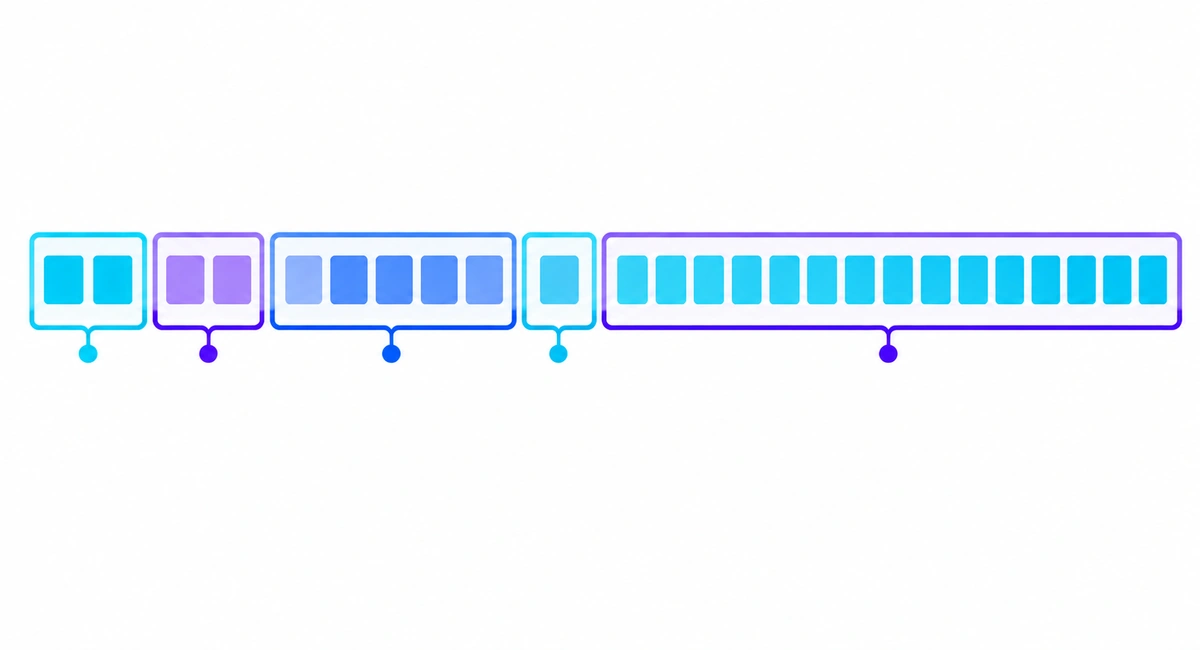
A Turkish IBAN always has 26 alphanumeric characters and starts with TR.
TR00 0000 0000 0000 0000 0000 00 (example format)
- Ask for the IBAN in writing (as text, not as a photo or by phone).
- Copy and paste it instead of typing it by hand.
- Check the start (“TR”) and the length.
Name mismatches and Turkish characters
The recipient’s name should match the name on the account exactly. Watch out for:
- Turkish characters: some systems don’t accept ş, ğ, ı, İ, ö, ü or ç. Use the provider’s suggested spelling (e.g. “Şahin” → “Sahin”).
- Full names: include middle names if the account has them (e.g. “Ayşe Nur Yılmaz”).
- Married names: after a marriage, check whether the account still shows the maiden name.
How to avoid it:
- Do a small test transfer for any new recipient.
- Save verified recipients in the app or as a template.
Mistake 5: Sticking with the same provider for every amount and every situation
Many people pick a provider once and never think about it again. Fee structures vary, though, and the provider that suits €200 isn’t necessarily the one that suits €5,000.
Fee structures change with the amount
- Fixed fees (a flat amount per transfer) weigh heavily on small amounts.
- Percentage fees and rate markups weigh heavily on large amounts.
- Payment method matters: card payments are often more expensive than bank transfers.
- Timing can matter: some providers apply different terms at weekends or for express delivery.
Large amounts: limits, documents, AWV reporting
If you’re sending a large amount, for example for a property purchase in Türkiye, plan for:
- Provider limits: daily or per-transfer limits vary by provider.
- Proof of funds: providers may ask where the money comes from. Keep payslips or contracts handy.
- AWV reporting in Germany: payments abroad above €50,000 must be reported to the Deutsche Bundesbank (threshold since 1 January 2025; previously €12,500, see Commerzbank). Your bank or provider doesn’t always do this for you. If in doubt, ask the Bundesbank service line.
How to avoid it:
- Compare again whenever the amount changes significantly.
- For large amounts, plan the documents and the timing a few days ahead.
Quick checklist before every transfer
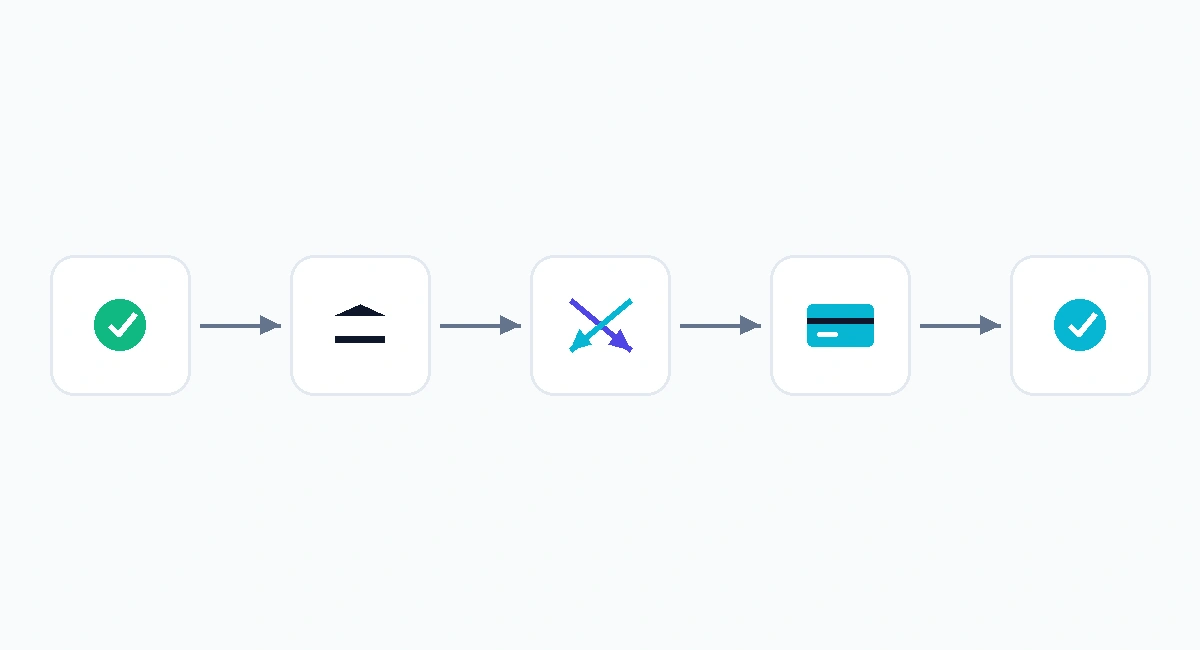
- Did I compare the amount that arrives in Türkiye, not just the fee?
- Do I know the exchange-rate markup compared with the mid-market rate?
- Do I know the recipient’s account currency (TL or EUR)?
- Is the IBAN 26 characters long, starting with “TR”?
- Does the name match the account holder exactly?
- For a large amount: limits, proof of funds and AWV reporting checked?
Conclusion: small checks, real savings
Sending money home is more than a transaction. It’s support for the people who matter to you. You don’t need to be a finance expert to get more out of every transfer. It’s enough to:
- compare the amount received instead of the fee,
- look critically at SWIFT transfers through your bank,
- check the currency and account type,
- enter the recipient’s details carefully,
- compare again whenever the amount changes.
See how much would arrive in Türkiye
Paragotr is an independent comparison service. We’re not a bank or a transfer provider. Enter your amount, and you’ll see side by side how much your recipient in Türkiye would receive with different options, including a classic bank transfer via SWIFT.
→ Compare your transfer from Germany to Türkiye now
It’s free, needs no sign-up, and takes about 30 seconds.
Figures in this guide are illustrative, not live prices. Fees and exchange rates change and vary by provider and bank. This guide is general information, not financial or legal advice. Some provider links are affiliate links; they never affect our rankings. How we compare:Our method