
Why exchange rates matter more than transfer fees
“No fees” is one of the most common promises in money transfer advertising. It’s also one of the most misleading. When you send euros to Türkiye, what really matters is how many lira arrive, and that depends at least as much on the exchange rate as on the fee.
Two prices in every transfer
Every international transfer has two prices:
- the fee: a clear number, shown next to the amount,
- the exchange rate: the rate at which your euros become lira.
If the exchange rate you get is below the mid-market rate, the difference is a cost. It’s just not labelled as one. Providers call it a margin, a spread or nothing at all.
What the mid-market rate is
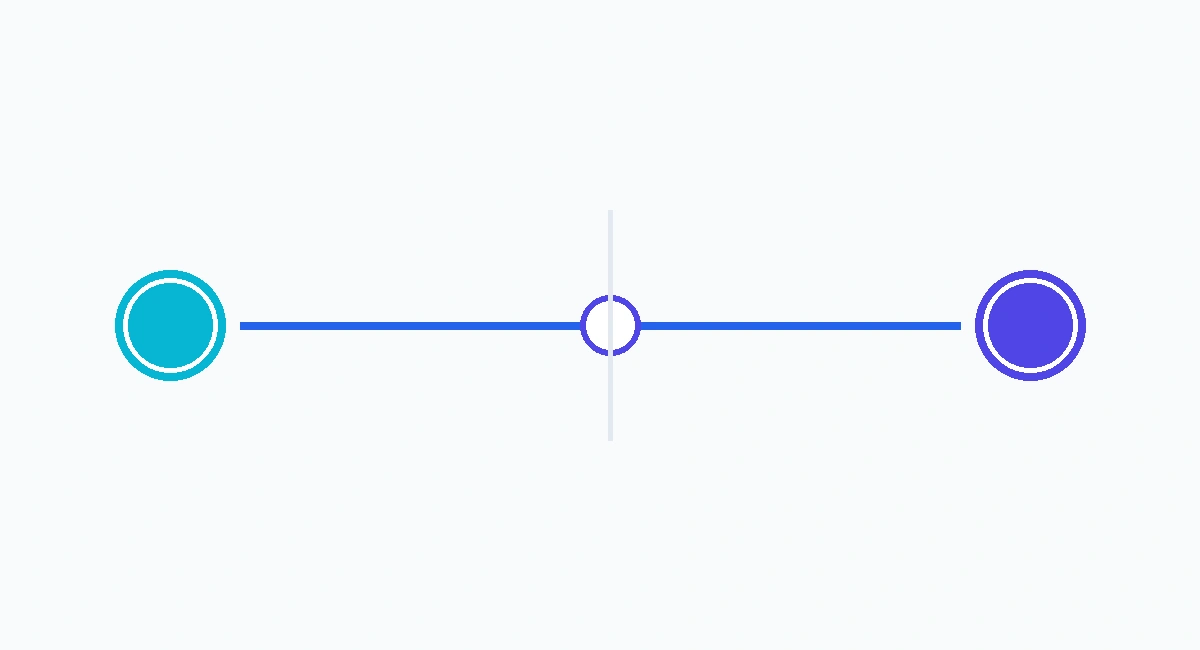
The mid-market rate is the midpoint between what buyers pay and sellers receive on the currency markets. It’s the rate you see in search engines and financial news, and it has no margin built in. That makes it the fairest yardstick: the closer your rate is to it, the less you pay through the rate.
How to measure a markup
You only need two numbers: the mid-market rate and the rate you’re offered.
Markup = (mid-market rate − offered rate) ÷ mid-market rate
A hypothetical example with round numbers: if the mid-market rate is 1 EUR = 50.00 TRY and you’re offered 49.50 TRY, the markup is 0.50 ÷ 50.00 = 1%. On €1,000, that’s about €10 in hidden cost.
Why the rate often costs more than the fee
Fees are often small and fixed. Markups are a percentage of the whole amount, so they grow with every euro you send:
| Amount sent | Cost of a 0.5% markup | Cost of a 1% markup | Cost of a 3% markup |
|---|---|---|---|
| €500 | €2.50 | €5 | €15 |
| €1,000 | €5 | €10 | €30 |
| €5,000 | €25 | €50 | €150 |
| €10,000 | €50 | €100 | €300 |
Banks sending via SWIFT often use a noticeably wider spread than transfer services. That’s why a bank transfer can cost much more than its fee suggests. See what banks charge for transfers to Türkiye.
A “free” transfer vs a transfer with a fee
The comparison block on the Germany → Türkiye page shows a worked example with two hypothetical options: one with no fee and a 2.5% markup, one with a €5 fee and a 0.5% markup. The option with the fee delivers noticeably more lira.
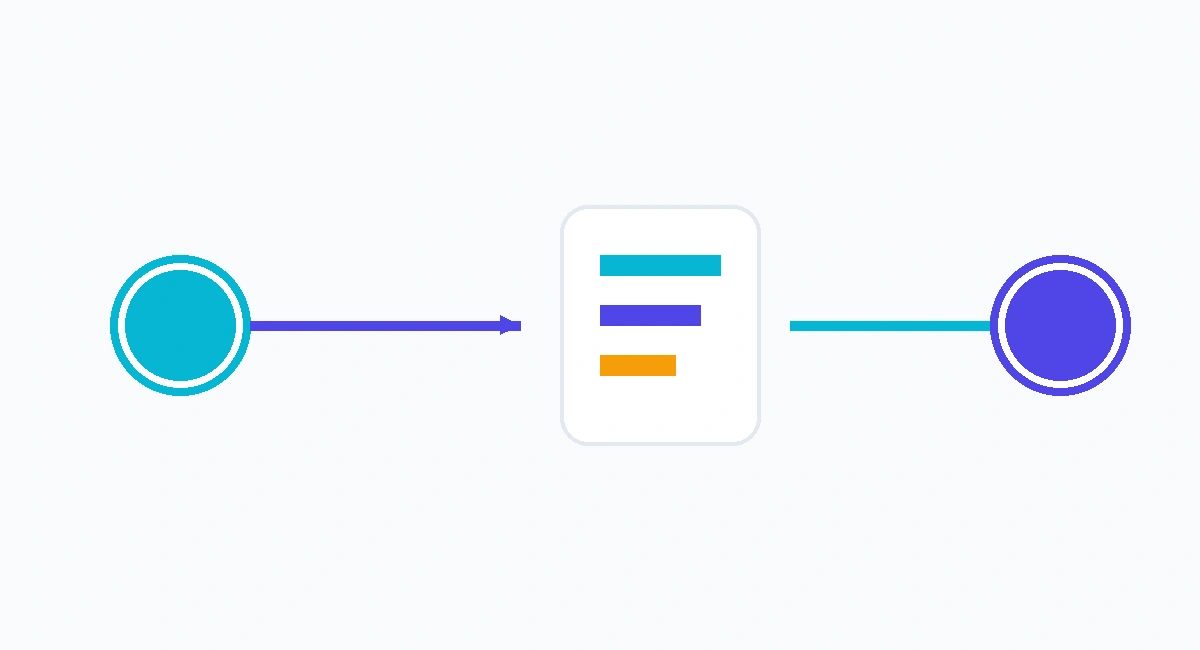
That’s the whole point: a fee is not the price. The price is the difference between what you send and what arrives.
How to compare fairly
- Compare the amount received, for your exact amount. It already includes fees and the exchange rate.
- Check the rate against the mid-market rate if you want to know where the cost sits.
- Watch the timing. Some providers add an extra markup at weekends, when currency markets are closed.
- Be wary of promotions. A better first-transfer rate won’t apply next time.
- Watch for conversions you didn’t choose. If you send euros to a lira account, the receiving bank converts at its own rate.
How Paragotr handles this
We don’t rank providers by their advertised fee. For every option we calculate the total cost (fees plus exchange rate markup) and the amount your recipient receives, then rank by what arrives. Our methodology shows the formulas, and the provider pages, such as Wise vs Remitly, show how differently providers split their cost between fee and rate.
Figures in this guide are illustrative, not live prices. Fees and exchange rates change and vary by provider and bank. This guide is general information, not financial or legal advice. Some provider links are affiliate links; they never affect our rankings. How we compare:Our method